By Nick Swihart
November 11, 2026
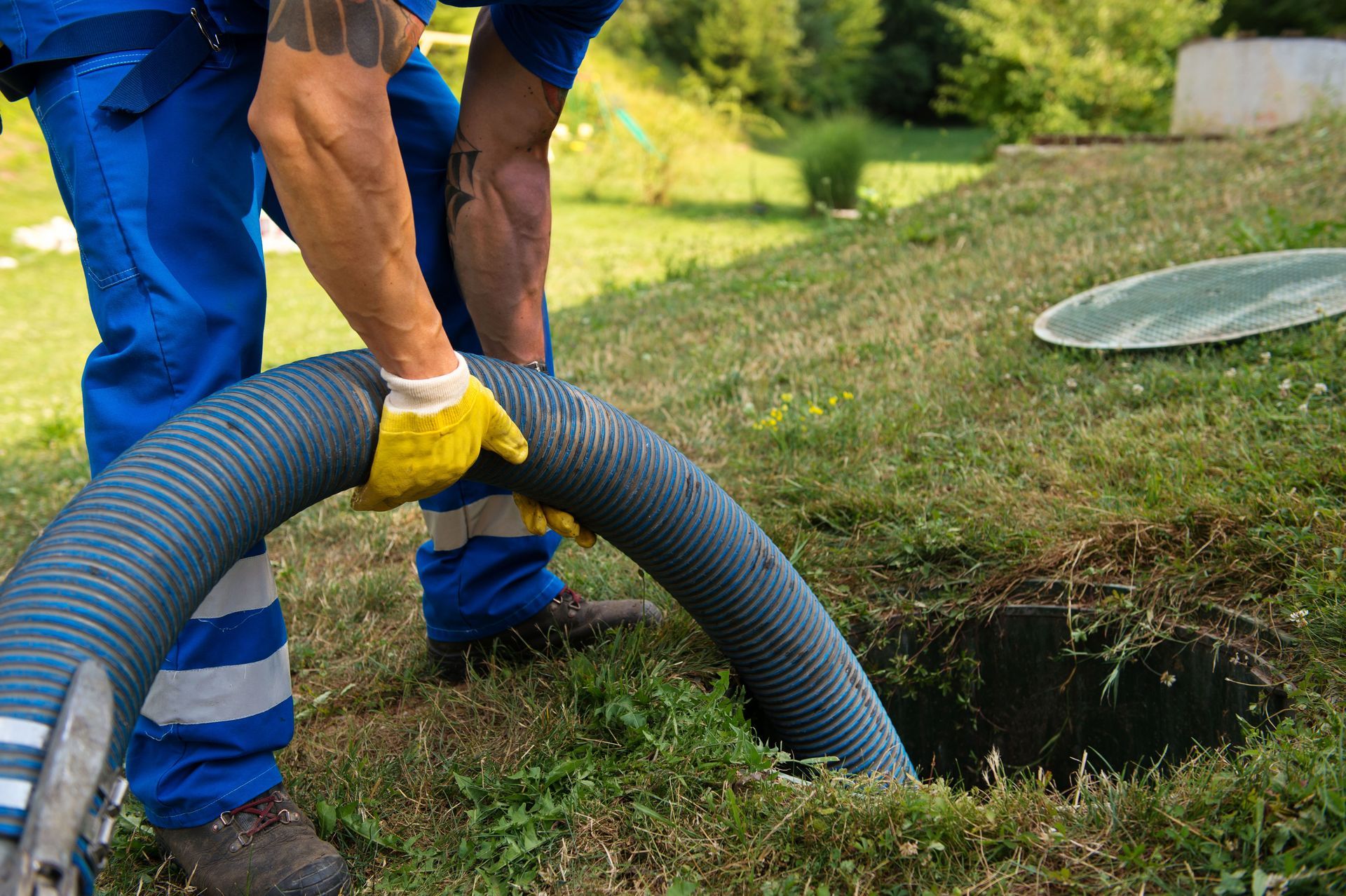
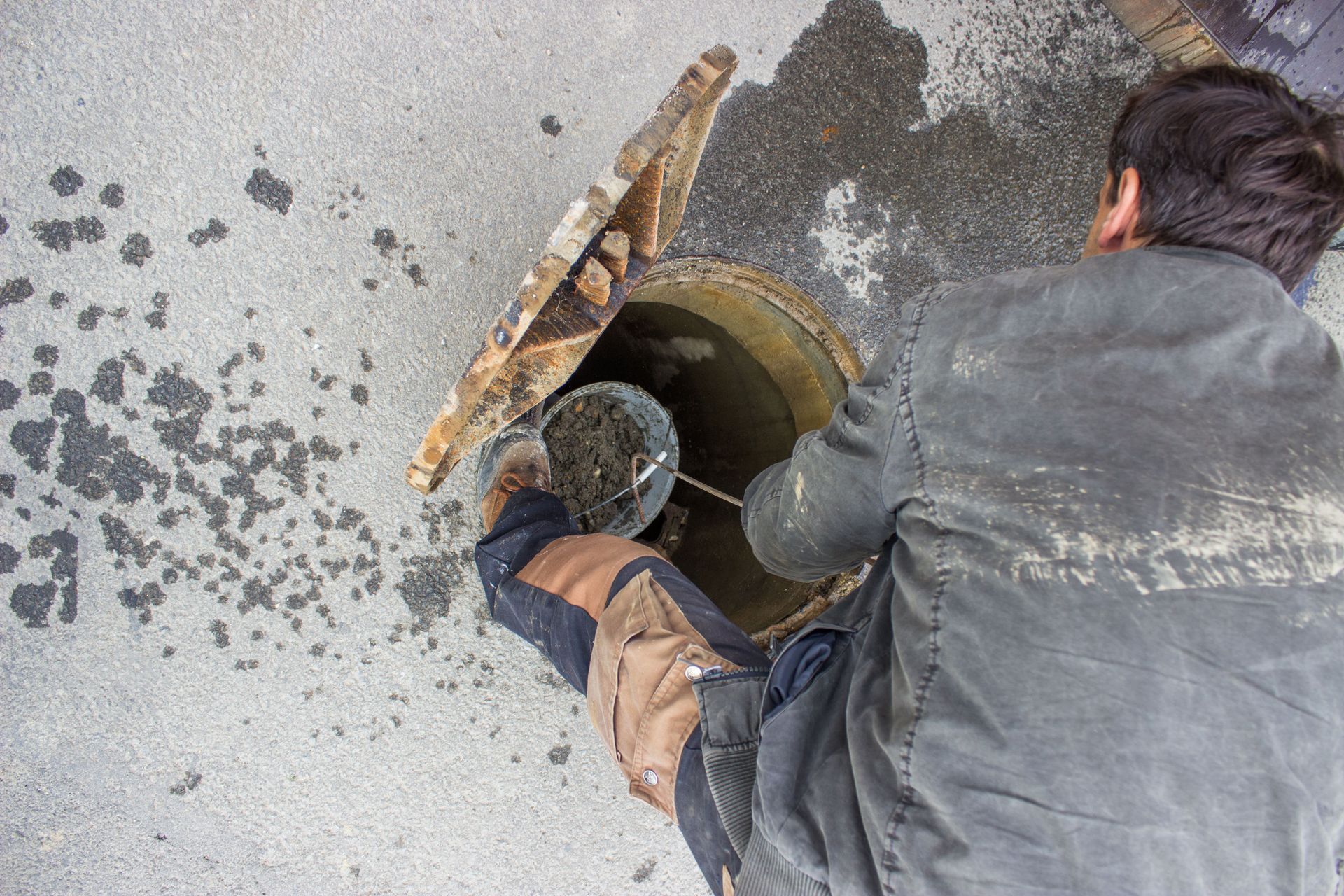
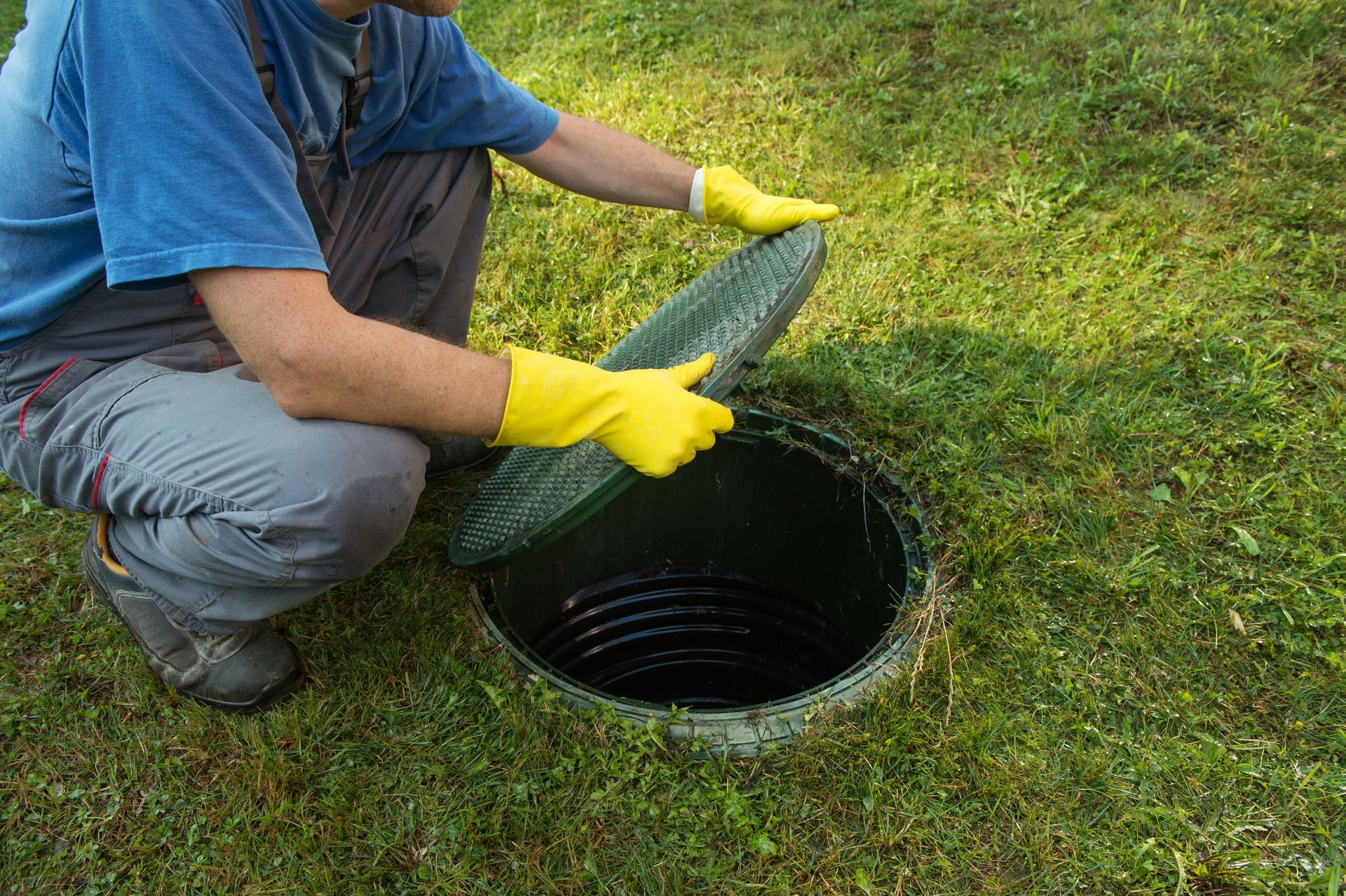
Managing a private residential wastewater infrastructure requires continuous technical vigilance, responsible household plumbing habits, and consistent preventative maintenance beneath exterior lawn turf. For rural and suburban homes located beyond municipal sewer connections, an underground septic tank serves as a vital utility asset that operates silently out of sight. Because wastewater fixtures carry daily greywater and biological waste away without immediate visual feedback, homeowners easily succumb to an out-of-sight mentality, assuming that flushable plumbing signifies complete subterranean system health. However, subterranean containment chambers operate under relentless biochemical dynamics, physical separation processes, and hydraulic loading every single day. Within the dark confines of an underground concrete tank, heavy solids settle into dense sludge along the bottom floor, buoyant greases and soaps form a thick scum blanket at the liquid surface, and anaerobic microbes digest biodegradable waste within the central clarified zone. Over successive cycles of family showers, laundry loads, and kitchen dishwashing, inorganic silts and undigested residues steadily accumulate, displacing functional liquid capacity. According to the United States EPA, residential septic systems should get pumped out by professionals every three to five years. This critical maintenance standard illustrates why deferring basic mechanical evacuation represents an extraordinarily risky gamble with residential infrastructure. Scheduling regular septic pumping ensures that accumulated sludge and scum layers are evacuated completely before solid matter escapes into fragile soil absorption fields. Proactive mechanical stewardship protects subterranean drainage infrastructure and guarantees lasting peace of mind.
Understanding Subterranean Tank Biology and Solid Waste Stratification
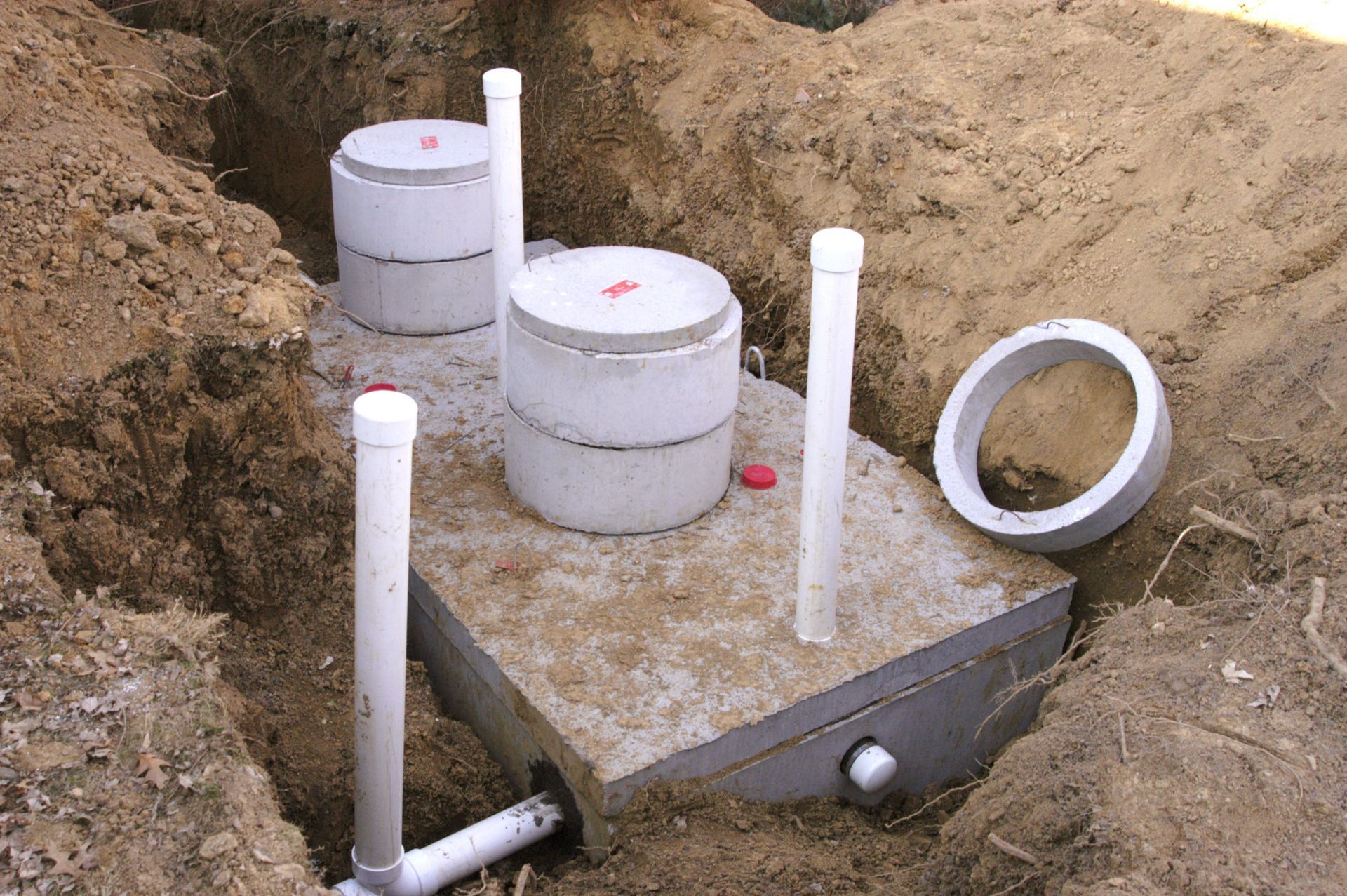
To appreciate the immense financial savings of preventative maintenance, property owners must understand the delicate physical and biological stratification occurring inside subterranean treatment vaults. When domestic wastewater leaves household drains, it enters a primary settling tank engineered to decelerate flow velocity, allowing gravitational separation to segregate waste into distinct layers. Dense organic and inorganic matter sinks downward to form an anaerobic sludge blanket along the floor, while buoyant cooking oils, culinary greases, and bath soaps float upward to create a resilient scum mat. Between these layers rests clarified effluent water, which flows through a baffled outlet toward the downstream absorption field. However, biological digestion cannot break down synthetic fibers, cooking fats, inert dirt, or mineral sediments, meaning that sludge and scum layers continuously expand over time. Contracting for professional septic pumping evacuates these accumulating solids before they rise to the level of the outlet baffle. If solids rise too high, escaping scum and sludge particles enter fragile drainage pipes, blinding soil pores and causing irreversible hydraulic failure.
Preventing Catastrophic Drainfield Blinding and Expensive Soil Replacement
The most financially devastating consequence of neglecting routine tank cleanouts is the progressive destruction of the subterranean soil absorption area, commonly known as the drainfield or leachfield. The drainfield comprises a network of perforated distribution pipes laid within gravel trenches, designed to disperse clarified wastewater evenly across natural subsoil for final biological purification. When deferred maintenance allows suspended solids and floating greases to escape the primary tank, these particles travel directly into the perforated lateral pipes. Over time, organic matter forms an impenetrable, slimy layer along the trench bottom known in the sanitation sector as a biomat. As the biomat thickens, it seals off natural soil pores, preventing wastewater from percolating into the earth and creating severe hydraulic gridlock throughout the entire plumbing network. Once a drainfield experiences total biomat clogging, no amount of chemical additives or surface aeration can restore natural percolation. Resolving a blinded absorption field demands complete physical excavation, tree removal, soil replacement, and costly system re-engineering.
Mitigating Emergency Weekend Overflows and Biohazardous Property Damage
Plumbing catastrophes rarely strike during convenient weekday business hours; instead, overloaded septic tanks and clogged absorption beds typically fail during holiday gatherings, weekend family reunions, or heavy rainstorms. When a subterranean tank reaches full capacity and outlet filters choke on thick sludge, incoming domestic wastewater has nowhere to travel. The resulting hydraulic backup reverses course through building drains, bubbling foul, dark, biohazardous wastewater up through basement floor grates, bathtub drains, and low-level toilets. Dealing with an emergency sewage backup introduces acute emotional trauma, immediate structural water damage, and severe biological contamination across finished basement living areas. Professional restoration crews must tear out saturated drywall, dispose of soaked carpeting, and sanitize structural wall studs using industrial biocides. Furthermore, emergency weekend service dispatches carry heavy premium surcharges that multiply typical service expenses. Scheduling regular septic pumping during normal business hours completely eliminates the terrifying specter of indoor sewage floods.
Protecting Subterranean Drinking Aquifers From Hazardous Microbial Leaks
Beyond protecting residential property values and interior living quarters, proactive wastewater management serves as an urgent ecological duty for rural and suburban communities. Households utilizing private septic tanks frequently depend on private groundwater wells drilled into the very same subterranean aquifers that receive treated septic effluent. When an unmaintained septic tank overflows or develops undetected concrete cracks from acidic sludge corrosion, raw, untreated sewage bypasses natural soil filtration beds. Pathogenic bacteria, dangerous viruses, heavy nitrogen compounds, and synthetic household chemicals migrate rapidly through fractured bedrock and porous subsoils, contaminating local drinking aquifers. Consuming water tainted by septic leachate can trigger severe gastrointestinal illnesses, chronic health complications, and dangerous bacterial infections among family members and neighboring households. Sourcing dependable septic pumping allows technicians to verify tank structural soundness while extracting concentrated bacterial contaminants before structural leaks develop.
Avoiding Pre-Sale Real Estate Delays and Crushing Repair Escrows
When placing a residential property on the competitive real estate market, few mechanical flaws derail prospective transactions faster than a failing or neglected wastewater system. Modern mortgage lenders, municipal health boards, and buyer home inspectors require rigorous, documented septic evaluations before approving purchase loans and issuing occupancy certificates. If an inspection reveals thick sludge blankets, broken concrete baffles, or saturated, ponding surface soil above the drainfield, lenders immediately halt loan approvals until repairs are completed. Property sellers frequently find themselves forced into frantic price concessions or required to place tens of thousands of dollars into frozen repair escrows to fund full system replacements before closing. In sharp contrast, maintaining an unbroken paper trail of certified septic pumping receipts provides undeniable proof of meticulous mechanical stewardship, reassuring prospective purchasers and municipal health officials alike.
Prioritizing regular professional septic tank evacuation represents an extraordinarily cost-effective, protective, and practical investment a rural or suburban homeowner can make. Neglecting subterranean waste containment until foul odors rise from soggy lawns or dark wastewater bubbles upward into basement showers invites devastating structural damage, severe microbial groundwater pollution, and catastrophic drainfield failures. Rebuilding a collapsed soil absorption field or remediating a biohazardous indoor flood demands immense capital reserves that dwarf the modest, predictable expense of routine maintenance. In sharp contrast, establishing an unbroken schedule of preventative cleanouts evacuates destructive sludge blankets, preserves delicate soil percolation channels, and catches emerging structural vulnerabilities before system breakdowns develop. Proactive wastewater management turns an out-of-sight utility into an enduring, reliable sanitary asset that serves your household faithfully across changing seasons. Prioritizing certified maintenance protects personal financial equity, shields family health, and guarantees enduring peace of mind for modern residential property owners across all future generations.
At Swihart's Septic Inc, our dedicated team brings deep wastewater expertise, modern vacuum extraction equipment, and an unwavering commitment to craftsmanship on every residential project we guide, ensuring your system achieves optimal containment capacity, flawless structural durability, and lasting sanitary safety across every passing season. Contact us today or visit our local office to schedule your comprehensive tank evaluation and discover the lasting benefits of working with trusted septic professionals.