By Nick Swihart
October 9, 2026
A residential wastewater management network is an incredibly vital part of your home infrastructure. Unlike public sewer systems managed by a municipality, a private onsite network requires the homeowner to take full responsibility for its operation and upkeep. According to This Old House, approximately 25 percent of American households utilize a private onsite system to manage their household wastewater. When properly cared for, these underground structures can last for decades, providing safe, reliable, and effective sanitation. However, when neglected, they can fail prematurely, leading to massive repair bills, awful odors, and environmental hazards in your backyard. Maximizing longevity requires a combination of smart daily habits, careful water usage, and consistent professional care. We will explore the average duration of these networks and outline actionable steps to ensure yours operates flawlessly.
Understanding Your Septic System Lifespan
When installed correctly in optimal soil conditions, the primary concrete receptacle of your onsite wastewater configuration can easily last forty years or more. Alternative materials like high-density polyethylene or fiberglass offer similar longevity, though concrete is widely known for sheer durability. The drain field typically operates effectively for twenty to thirty years before requiring full replacement. However, these are just average estimates based on ideal conditions. In reality, the true lifespan of your setup depends heavily on usage patterns, soil quality, and the frequency of professional maintenance. Without a proactive approach, even the most well-designed network will suffer from accelerated wear. Overloading the tank with excessive water or inappropriate materials dramatically shortens its effective life. To reach that four-decade milestone, homeowners must actively protect the bacteria inside the tank and delicate piping in the drain field. Prioritizing routine septic tank service is the single most effective way to identify potential issues before they cause total failure.
Scheduling Regular Septic Pumping and Cleaning
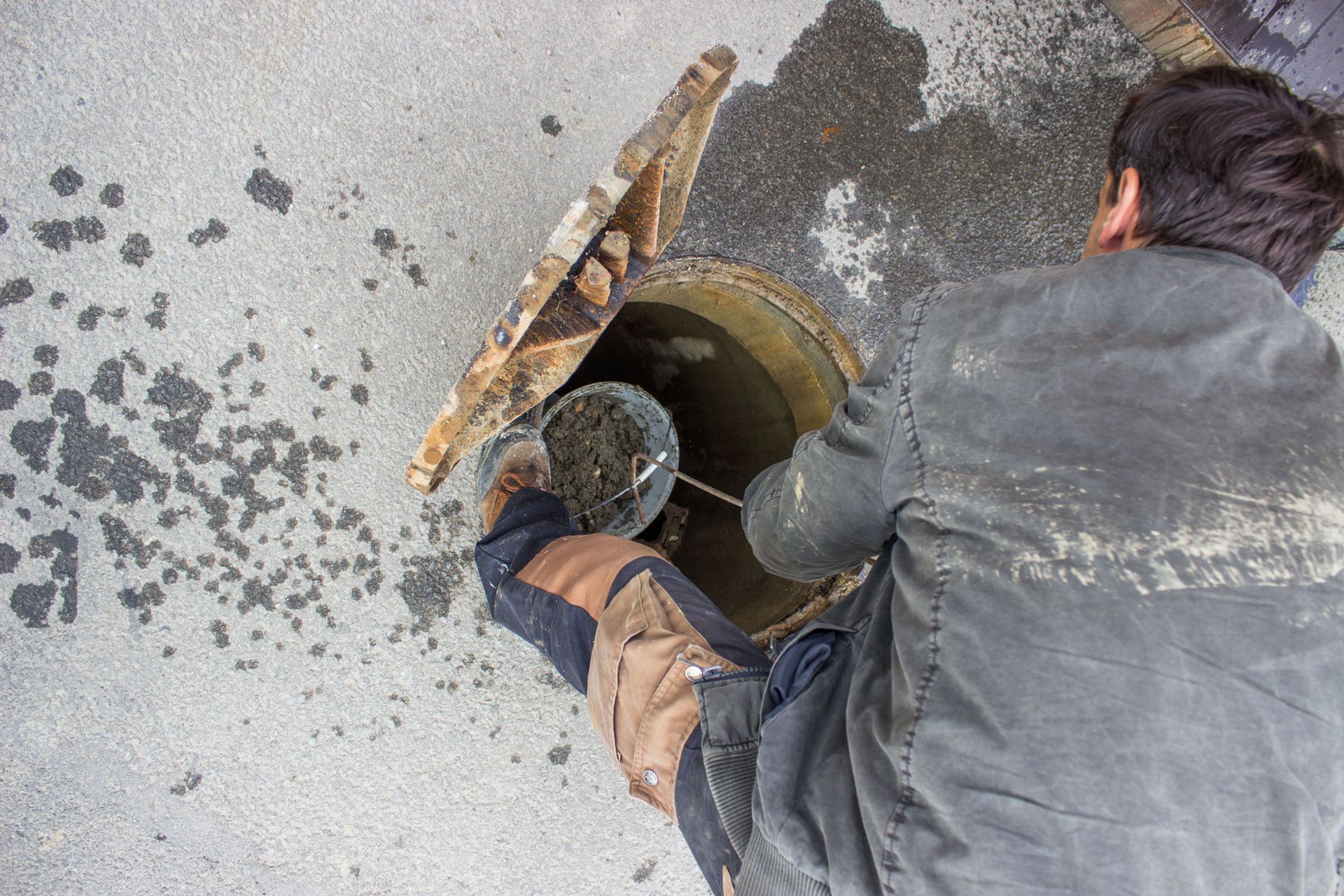
One of the most important aspects of maintaining your onsite wastewater network is adhering to a strict pumping schedule. As wastewater enters the primary compartment, heavy solids sink to form a sludge layer, while lighter materials float to the top as scum. The remaining liquid effluent then flows out into the drain field. Over time, the sludge and scum layers accumulate. If these layers become too thick, solids can escape into the drain field, causing catastrophic clogs and permanent damage. To prevent this, routine septic tank service is necessary. Most households need to arrange for professional septic pumping every three to five years, though the exact timeline depends on tank size and household occupancy. A technician will remove the accumulated sludge and perform a thorough septic cleaning to restore optimal capacity. By consistently securing professional septic tank service, you protect the drain field from irreversible damage and extend the functional life of the entire configuration.
Conserving Water to Prevent Drain Field Overload
Every drop of water that goes down your sinks, showers, and toilets ends up in your underground wastewater container. One of the leading causes of premature failure is hydraulic overload, which occurs when too much water enters the tank at once. When a tank is flooded, wastewater is pushed into the drain field before solid particles have adequate time to settle at the bottom. This forces waste into delicate absorption trenches, clogging soil and causing the system to back up into your home or pool in your yard. To extend longevity, you must practice strict water conservation. Spread your laundry loads out over the week instead of washing everything on a single day. Install high-efficiency showerheads and low-flow toilets to reduce daily water consumption. Fixing leaky faucets immediately is also crucial, as a constant drip adds hundreds of gallons of unnecessary water to your system yearly. Reducing household water usage minimizes strain on the network and maximizes the time between each scheduled septic tank service.
Disposing of Household Waste Responsibly
Your underground wastewater network relies on a delicate balance of naturally occurring bacteria to break down organic waste. Introducing the wrong materials into your plumbing can disrupt this biological process and cause severe mechanical clogs. You must never flush anything other than human waste and septic-safe toilet paper. Items like flushable wipes, paper towels, feminine hygiene products, dental floss, and cotton swabs do not break down in the water. Instead, they accumulate inside the tank and quickly lead to massive blockages that require emergency septic tank service. Additionally, avoid using garbage disposals, as they introduce excessive amounts of solid food waste and grease into the tank. Fats, oils, and grease are particularly dangerous because they solidify in the pipes, creating stubborn clogs that are incredibly difficult to remove. Pouring harsh chemicals, bleach, and antibacterial soaps down the drain kills the essential bacteria needed to digest sludge. Being mindful of what goes down your drains ensures the biological environment remains healthy and efficient.
Protecting the Underground Components from Damage
The physical integrity of your drain field and tank must be protected from external stress. Soil above absorption trenches is carefully compacted to allow proper filtration of liquid effluent. Driving vehicles or parking cars over the drain field compacts the soil and crushes underground pipes. This stops effluent from filtering correctly, often resulting in total failure, requiring expensive excavation and complete replacement. Furthermore, you must carefully plan your landscaping. Only plant shallow-rooted grasses over the tank and absorption areas. Trees and large shrubs have aggressive root systems that seek out moisture in your wastewater pipes, penetrating lines and causing blockages. If you have deep-rooted plants growing too close to your plumbing, you might eventually need professional drain cleaning or hydro-jetting to clear out roots. Protecting the surface area above your network prevents mechanical crushing and keeps the underground environment functioning optimally.
Inspecting the Tank with Professional Services
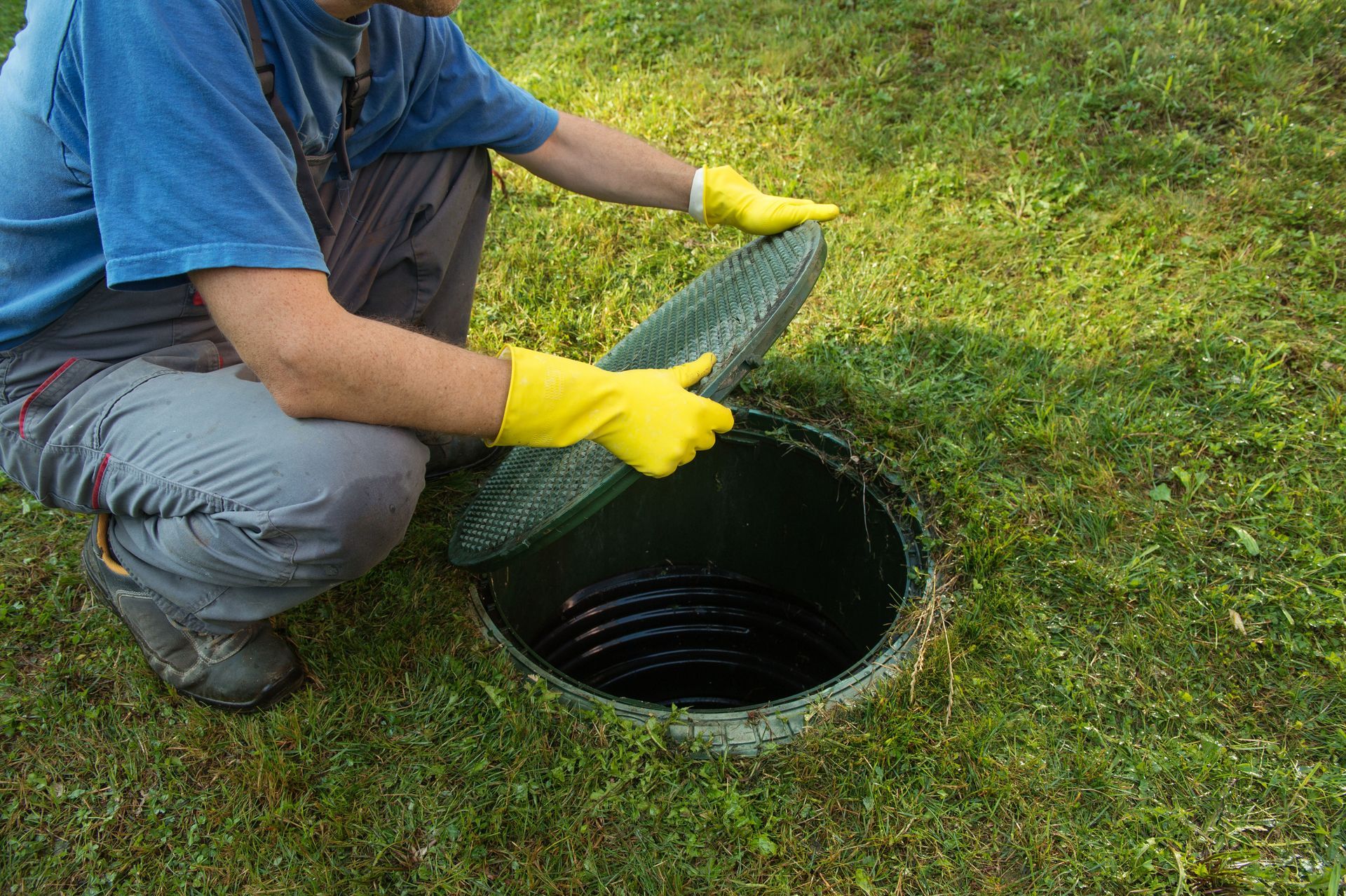
Even with the best daily habits, underground components will eventually experience wear and tear over the decades. Routine professional inspections are vital for catching small problems before they escalate into major disasters. When you arrange for comprehensive septic system inspections, a trained technician will evaluate the structural integrity of the concrete walls, check baffles, and assess the overall health of the drain field. If they notice slow drains or recurring clogs, they might utilize a specialized camera inspection to locate the exact source of the blockage deep within the pipes. Uncovering minor cracks, leaks, or root intrusions early allows you to address the issue with targeted repairs rather than a full replacement. Whenever you notice gurgling pipes, foul odors, or slow-draining sinks, you should immediately request professional septic tank service to diagnose the problem. A proactive approach to inspections and fast action at the first sign of trouble ensures your system reaches its maximum possible lifespan.
In summary, maximizing the lifespan of your onsite wastewater system requires ongoing diligence, mindful water consumption, and responsible waste disposal habits. While the concrete tank and underground pipes are built to endure decades of use, their longevity is entirely dependent on the care they receive from the homeowner. By protecting your drain field from heavy vehicles, avoiding harsh chemical cleaners, and spreading out your water usage, you create the ideal environment for your system to thrive. Ultimately, prioritizing regular septic tank service is the key to preventing catastrophic failures and securing a reliable, odor-free backyard. Do not wait for a sewage backup to take action; be proactive with your maintenance. For reliable and comprehensive septic tank service, reach out to the experienced professionals at Swihart's Septic Inc.