By Nick Swihart
November 10, 2026
Understanding the intricacies of residential septic inspections is crucial for Michigan homebuyers. This comprehensive guide aims to demystify the septic inspection process, providing key insights and practical advice to ensure informed decision-making. With numerous Michigan homes relying on septic systems, a clear understanding can safeguard buyers from unforeseen complications. The peace of mind that comes from a well-functioning septic system cannot be overstated. By diving into this guide, homebuyers can ensure that their investment in septic services is protected and compliant with all necessary regulations.
Understanding the Basics of Septic Systems
What is a Septic System?
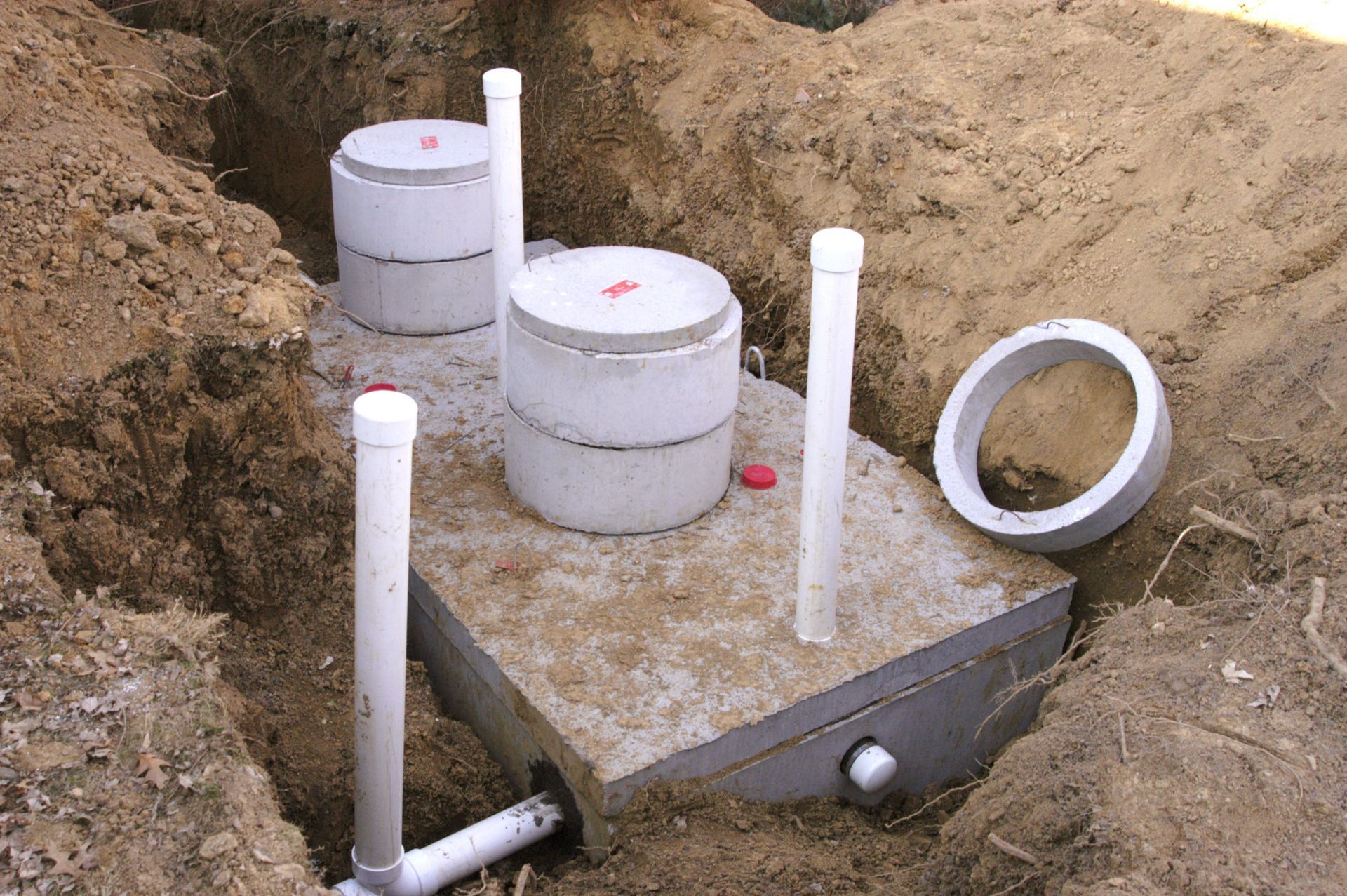
A septic system is an underground wastewater treatment structure commonly used in rural areas without centralized sewer systems. It combines natural processes with technology to treat household wastewater from plumbing produced by bathrooms, kitchen drains, and laundry. Traditional septic systems consist of a septic tank and a soil absorption field. Proper functioning of this system is crucial to prevent health hazards and environmental contamination.
Components of a Typical Septic System
A typical septic system comprises two main components: the septic tank and the drain field. The septic tank, usually made from concrete, fiberglass, or polyethylene, is watertight and buried underground. Wastewater flows into the tank, where heavy solids settle to form sludge, and bacteria break down some of the organic materials. The liquid wastewater, or effluent, exits from the tank into perforated pipes in the drain field, facilitating further treatment by soil bacteria. Regular maintenance ensures these components function effectively, reducing risks of blockages and overflows.
Common Types of Septic Systems in Michigan
Michigan homes may employ different types of septic systems based on soil conditions and water table levels. Conventional gravel and pipe systems are prevalent, comprising a series of trenches lined with gravel in which pipes are placed. Alternative systems, such as mound systems or sand filters, are used in areas with high water tables or poor soil conditions. Aerobic treatment units are another option, introducing air into the tank to increase the bacterial breakdown of waste. Each system type has its own set of maintenance requirements but generally relies on regular inspections to ensure effective performance.
The Septic Inspection Process: A Step-by-Step Guide
Scheduling and Preparing for an Inspection
Scheduling a septic inspection is a vital step for any homebuyer or homeowner. Timing is crucial, and it is recommended to align the inspection with the property closing or during maintenance intervals. When arranging an inspection, coordinating with a certified and experienced inspector is essential. Homeowners should ensure clear access to the tank and familiarize themselves with its location and layout. According to the United States EPA, residential septic systems should receive a technical inspection by a licensed professional every one to three years.
Visual Inspection: What to Expect
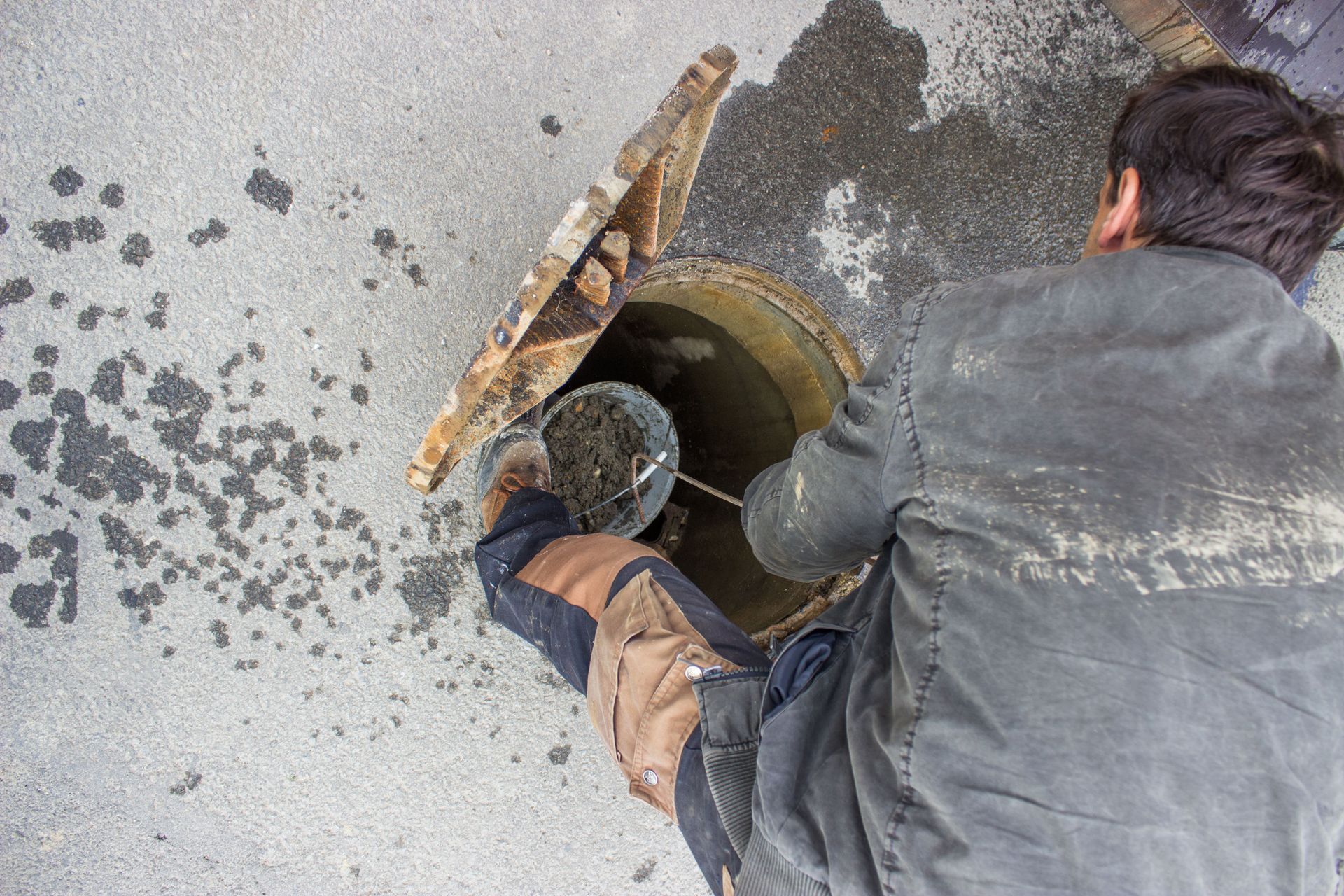
The visual inspection is an initial assessment process where the inspector evaluates the septic system's exterior and interior components. This inspection can identify signs of tank damage, sludge levels, and system failure indicators, including effluent seepage and foul odors. Inspectors examine areas surrounding the septic tank and drain field for wet spots, which can signify a leak or improper drainage. Inspectors may also verify a home's records and historical maintenance documentation to cross-evaluate and assess the system's lifecycle. Regular visual inspections are a preventive measure, crucial for identifying issues before they become major concerns.
Documentation and Reporting
An effective inspection concludes with detailed documentation and reporting by the inspector. This report outlines any identified issues, recommended solutions, and maintenance suggestions, providing a roadmap for current or prospective homeowners. Accurate documentation is crucial, serving as a reference for future inspections and confirming compliance with regulatory requirements. This transparency ensures that homebuyers have a complete understanding of potential risks prior to the property's purchase. Clear, precise reports empower homeowners to prioritize repairs and establish long-term maintenance plans.
Common Septic System Issues and Their Implications
Signs of a Failing Septic System
Several telltale signs can indicate a failing septic system. Homeowners may notice slow-draining fixtures, gurgling sounds in pipes, or unpleasant odors in and around the house. Surface water pooling over the drain field could also be an alarming symptom of system failure. Immediate attention is necessary when these signs emerge, as they may indicate deeper issues like blockages or tank leaks. Addressing these symptoms early can help protect property value and prevent costly long-term damage.
Root Intrusions and Structural Damage
Root intrusions are common problems that can cause severe damage to septic systems. Roots typically infiltrate the system's components through cracks or joints, leading to blockages and restricted flow. For systems installed near large trees or bushes, root intrusion is a heightened risk that requires frequent monitoring. Structural damage from roots can compromise a system's integrity, resulting in leakage or complete failure. Homeowners should be proactive in managing vegetation around septic systems to prevent these costly issues.
Septic System Maintenance Best Practices for Homeowners
Landscaping Considerations Around Septic Systems
Landscaping choices can significantly influence septic system health. Avoid planting deep-rooted trees or shrubs near the septic tank or drain field to prevent root intrusion. Utilizing native grasses and plants can absorb excess moisture, reducing risks of erosion and overloading. Land slopes should be maintained to divert rainwater away from the system, preventing saturation and flooding. Landscaping decisions should factor septic system locations, preserving both the landscape's aesthetic and system integrity.
The Importance of Regular Inspections
Regular inspections are paramount for identifying potential issues before they escalate into major problems. A licensed inspector's assessment ensures system components function optimally and align with regulatory requirements. Inspections can unveil hidden issues such as slow drainage, backup threats, or component deterioration. These check-ups provide homeowners with confidence and actionable knowledge, allowing for proactive management. Consistent inspection routines are part of commendable septic stewardship, safeguarding property and environmental health.
Emergency Preparedness and Contingency Plans
Preparedness for potential septic system emergencies protects homeowners from unexpected disruptions. Homeowners should develop contingency plans, identifying service providers and resources for urgent repairs or maintenance. Alternative wastewater management methods, such as portable toilets, may be considered in the interim. Understanding emergency contact procedures and maintaining updated service records mitigate stress during unforeseen failures. An established plan ensures both the household's well-being and minimal environmental impact during crises.
Navigating Legal and Regulatory Aspects
State and Local Regulations in Michigan
Michigan enforces specific regulatory standards that govern septic system installation, maintenance, and operation. These laws protect community health and environmental standards, necessitating homeowner adherence. Local health departments administer these regulations, providing homeowners with guidance and resources. Noncompliance can result in financial penalties and legal action, emphasizing the importance of awareness and engagement. Homeowners should familiarize themselves with municipality-specific requirements and incorporate practices that uphold legal and environmental obligations.
Resources for Legal Guidance and Assistance
Access to informed legal guidance is invaluable when navigating septic system regulations and compliance. Homeowners should consult environmental attorneys familiar with state and local septic codes for specialized assistance. Health departments and local planning boards act as valuable resources, providing documents, permit forms, and compliance checklists. Frequently, homeowners can tap into educational workshops and seminars sponsored by regional governments or organizations focused on sustainable development. These resources provide clarity and support in upholding legal obligations associated with septic systems.
By gaining insight into the residential septic inspection process, Michigan homebuyers can make informed, confident decisions. Proper understanding ensures not only compliance with regulations but also protects the investment in their new home. Knowledgeable buyers can identify and resolve septic issues before they undermine property value or pose health risks. This comprehensive understanding fosters peace of mind, protecting both financial interests and environmental integrity. Ultimately, engagement with septic inspections safeguards community health while preserving Michigan's natural beauty. If you're looking for reliable
septic services, reach out to Swihart's Septic Inc today!